Disclosure: Some links in this post are affiliate links. If you buy through them, we may earn a small commission at no extra cost to you.
This vegetable chopper comparison covers four choppers we tried at home, and they turned out very differently. A good vegetable chopper can save a lot of knife work, so we put two electric glass-bowl food processors, one manual push chopper and one electric drum-style vegetable cutter to work on real meals: Korean steamed eggs, fried rice and shredded carrots.
Here is what worked with each vegetable chopper, what didn’t, and which one we’d reach for again.
Quick Vegetable Chopper Comparison: 4 Picks at a Glance
| Chopper | Type | Bowl | Speeds | Best for |
|---|---|---|---|---|
| Kitchen Elite PowerChop | Electric food processor | 8-cup glass | 2 | Everyday chopping and blending (our top pick) |
| Hviww 2-Bowl Food Processor | Electric food processor | 8-cup glass + 8-cup stainless steel | 4 | Separate bowls for meat and veggies |
| JANSKA UltraChop | Manual push chopper | 1-cup | Hand-powered | Small batches, no cord |
| BLISAF 5-in-1 | Electric drum slicer and shredder | Drum with 5 blades | 1 | Slicing and shredding (mixed results for us) |
- Best overall: Kitchen Elite PowerChop
- Best if you want two bowls: Hviww 2-Bowl Food Processor
- Best for small batches: JANSKA UltraChop
- Not our pick: BLISAF 5-in-1 Electric Vegetable Cutter
1. Kitchen Elite PowerChop 8-Cup Food Processor: Best Overall
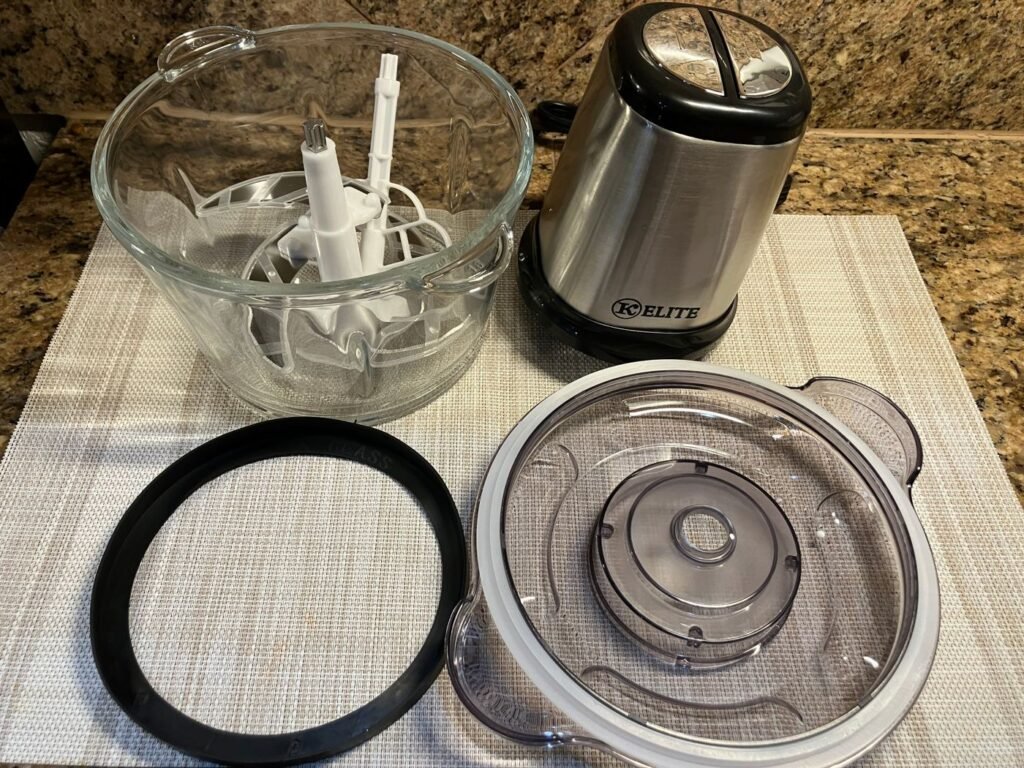
This was our favorite vegetable chopper of the four. It has an 8-cup glass bowl with bi-level stainless steel blades, and the motor sits on top of the lid. You hold one of two buttons to run it and let go to stop.
What We Liked
It feels like the sturdiest of the group. The glass bowl is thick, and the silicone gasket on the lid is firm and keeps its shape. It only has two speeds, but in our kitchen it felt noticeably stronger than the four-speed Hviww below.
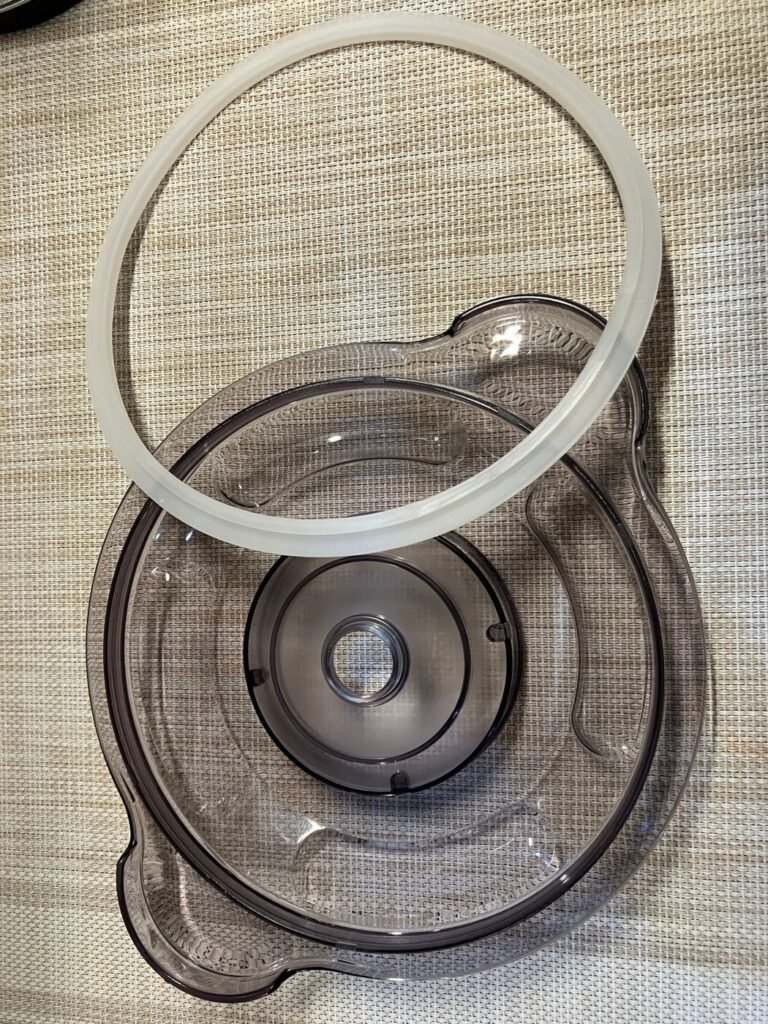

It also comes apart into just a few simple pieces (bowl, blade, lid, gasket and motor), so cleanup is quick. Keep in mind it’s hand-wash only.
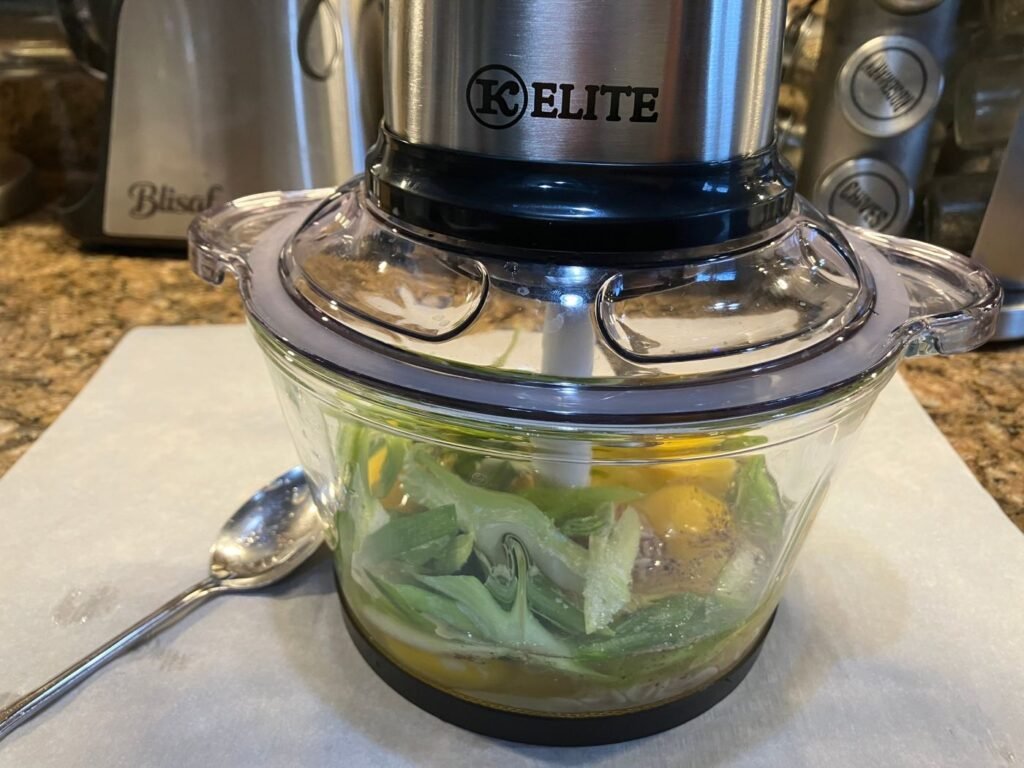
Real Use: Korean Steamed Eggs
We used it to blend eggs, seasonings and green onions for Korean steamed eggs (gyeran-jjim). A few short pulses gave us a smooth, even mixture with the green onions finely chopped.



Good to Know
- There’s no lid lock. With firmer ingredients we kept a hand on the motor to hold it steady, and a few buyers mention the same thing.
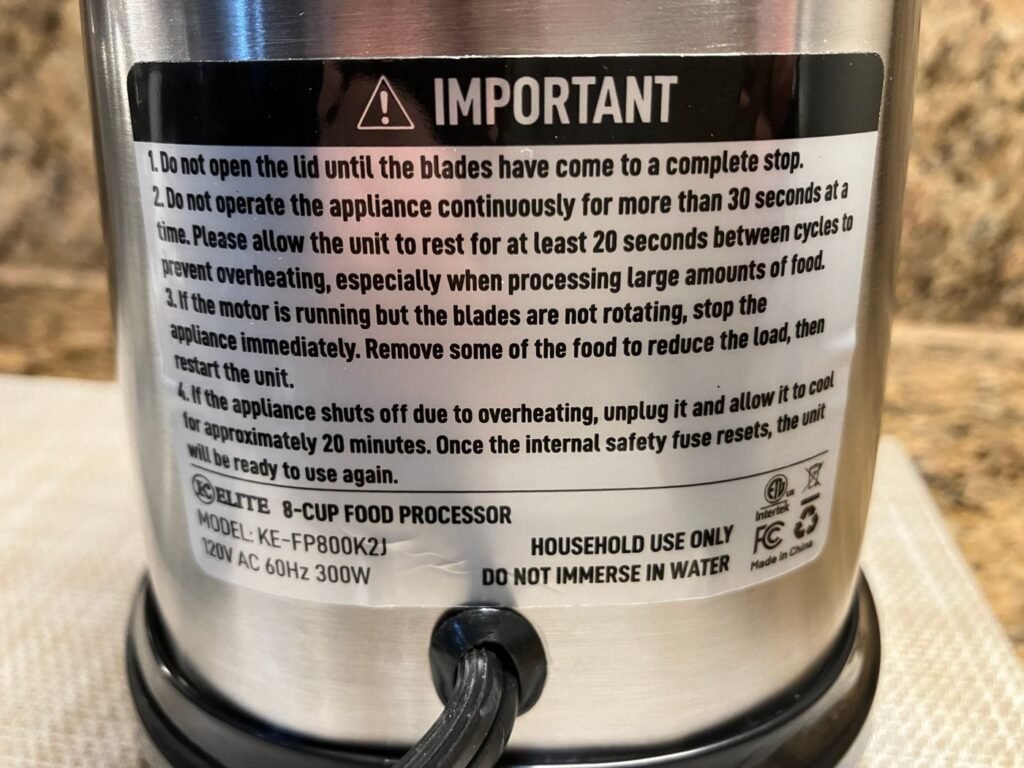
- The safety label says to run it no more than 30 seconds at a time, then let it rest about 20 seconds. Short pulses work best anyway.
- Motor power is listed as 400W on the product page, while the label on our unit says 300W.
- At the time of writing, this model shows as currently unavailable on Amazon. Use the button below to check if it’s back in stock.
2. Hviww Food Processor with 2 Bowls: Best If You Want Two Bowls

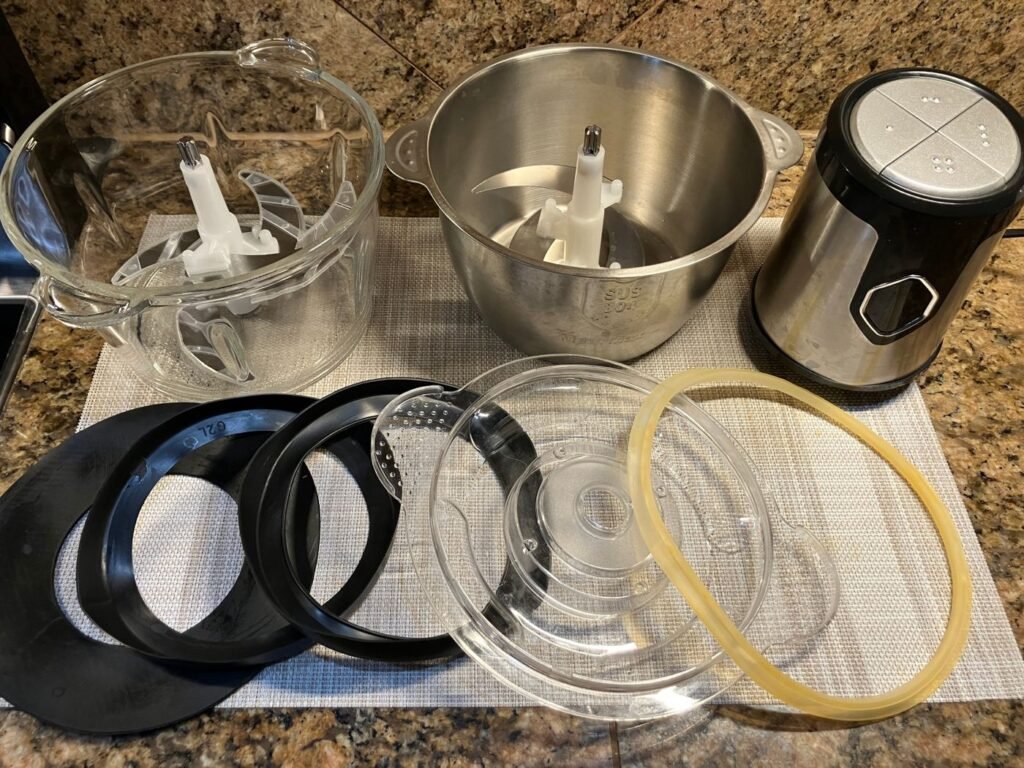
This one looks almost identical to the Kitchen Elite: the same top-mounted motor and the same style of glass bowl and lid. The difference is an extra stainless steel bowl, four speed buttons and a small digital timer.
What We Liked
- Two 8-cup bowls (glass and SUS 304 stainless steel), each with its own blade set.
- Both bowls are dishwasher safe, as long as the water stays under 140°F (60°C).
- Four speeds give you a little more control, and the stainless bowl won’t break if you drop it.

The One-Lid Problem
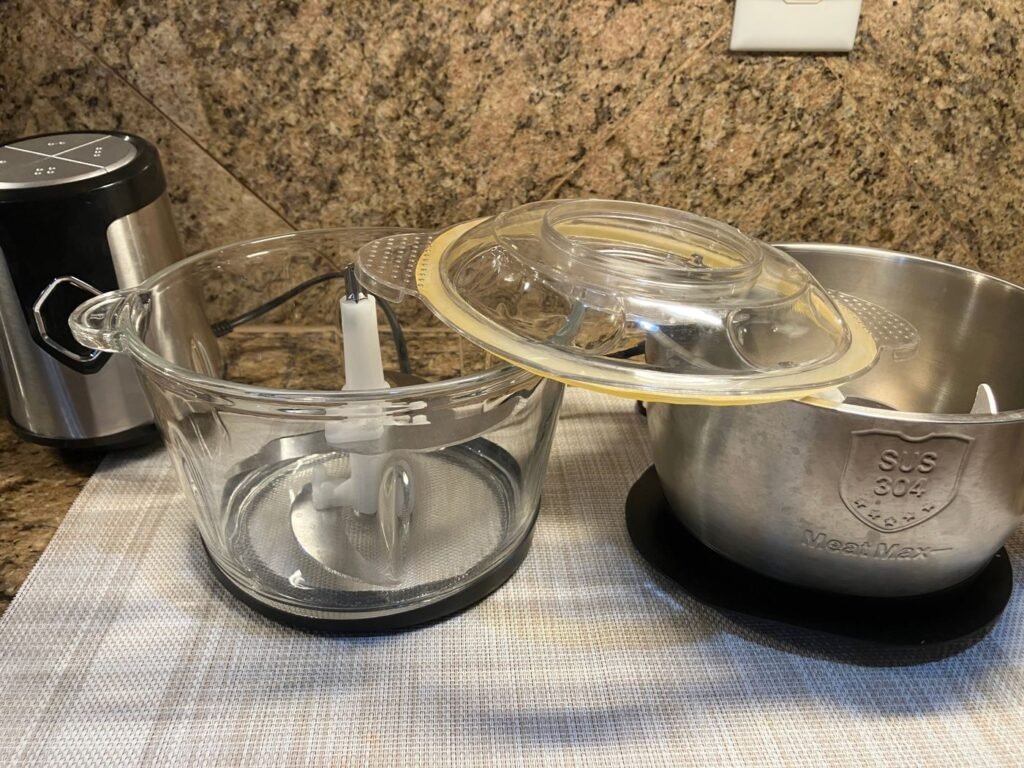
Many buyers like the idea of using one bowl for meat and the other for vegetables without washing in between. In practice, there’s only one lid. If you chop something in one bowl and then want to use the other, you still have to wash the lid so flavors don’t mix. For a vegetable chopper sold on its two bowls, that took away much of the convenience.
A Thin Gasket That Wears Fast
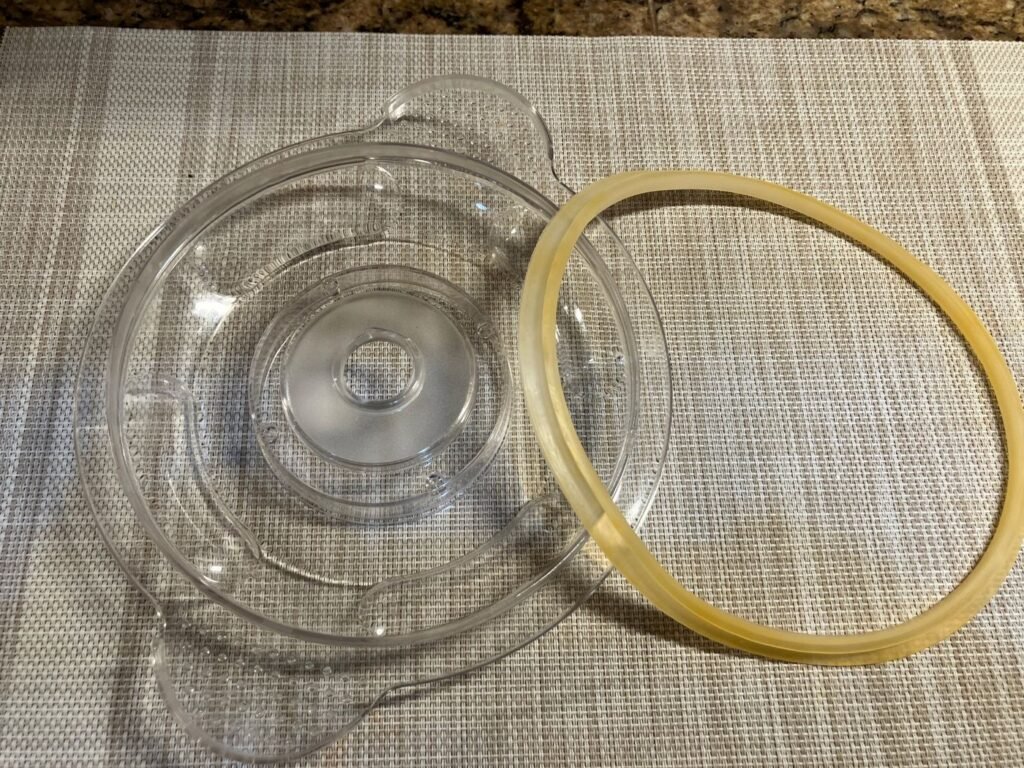
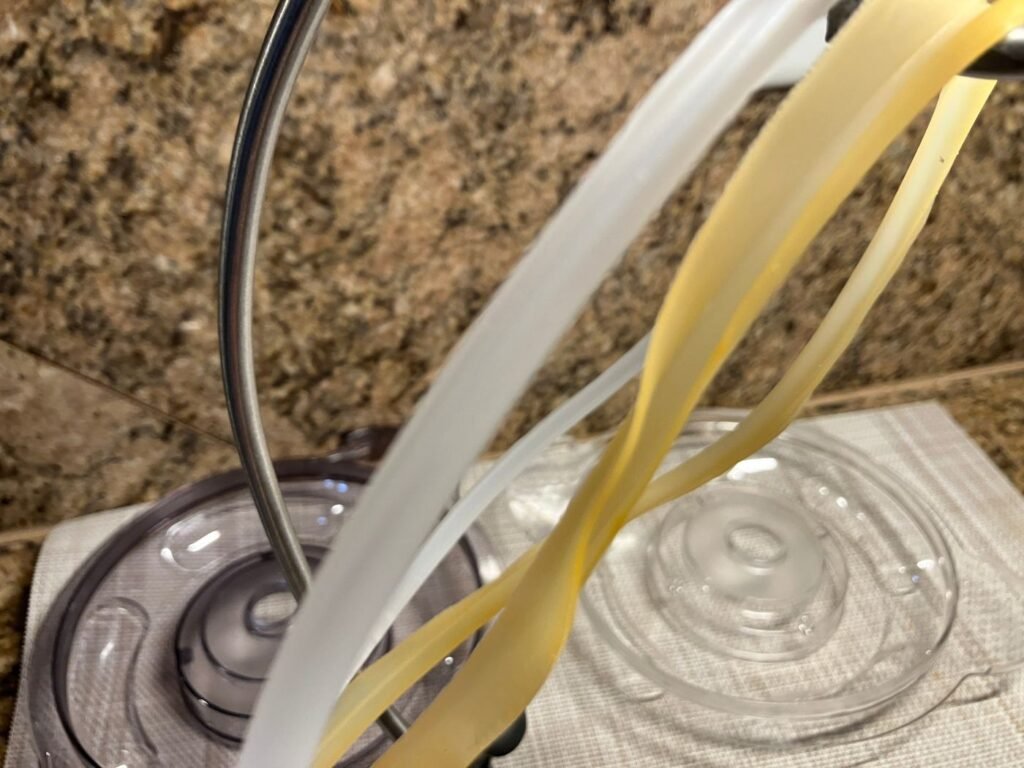
The silicone gasket on the lid is very thin. After only a few uses, ours had gone soft and floppy and turned yellow. Side by side with the Kitchen Elite gasket, the difference is easy to see.

Good to Know
- Even with four speeds, it felt less powerful than the Kitchen Elite in our kitchen. It’s listed at 300W.
- The timer counts up while you hold a button. Honestly, we didn’t pay much attention to it. We watched the food through the glass and stopped when it looked right.
- Some buyers mention the lid feels lightweight and that the manual didn’t match their unit.
3. JANSKA UltraChop Push Chopper: Best for Small Batches
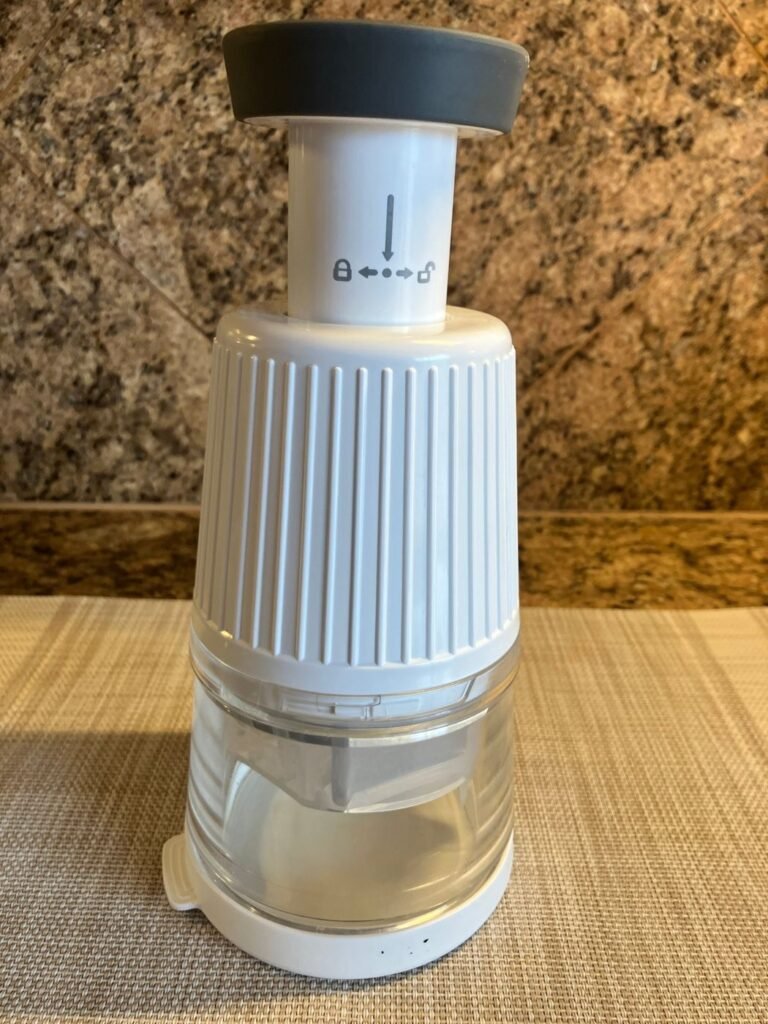
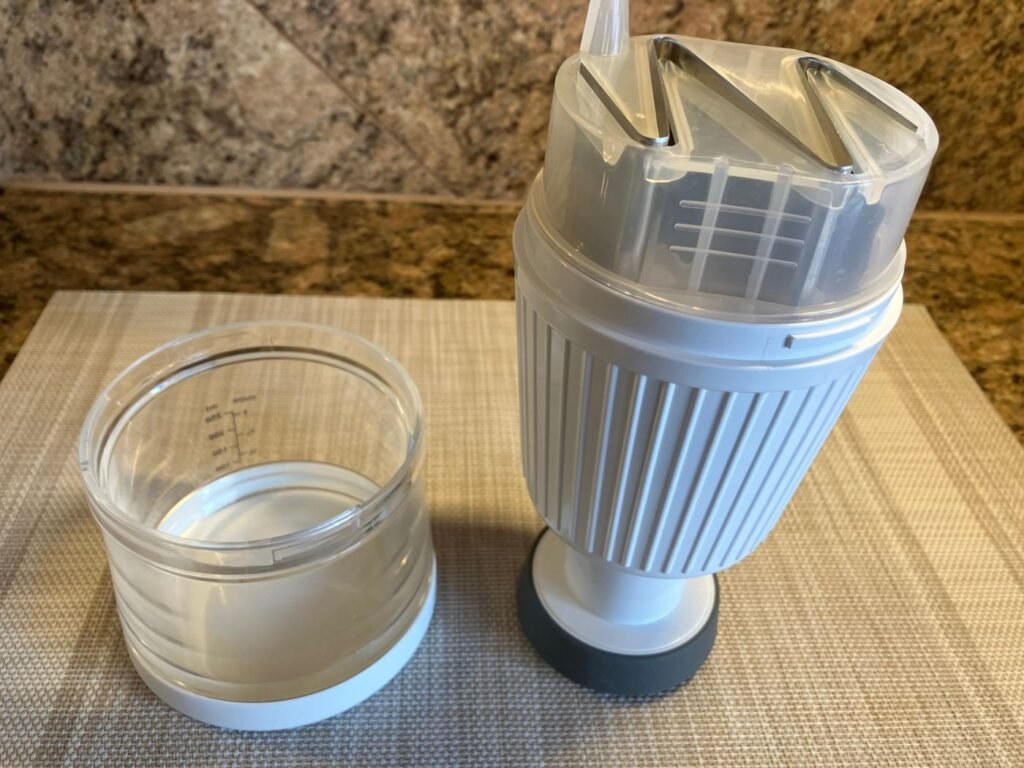
This manual vegetable chopper has no cord and no motor. You push the handle down, and zigzag stainless steel blades chop whatever is in the 1-cup container. It’s compact enough to keep in a drawer.

What We Liked
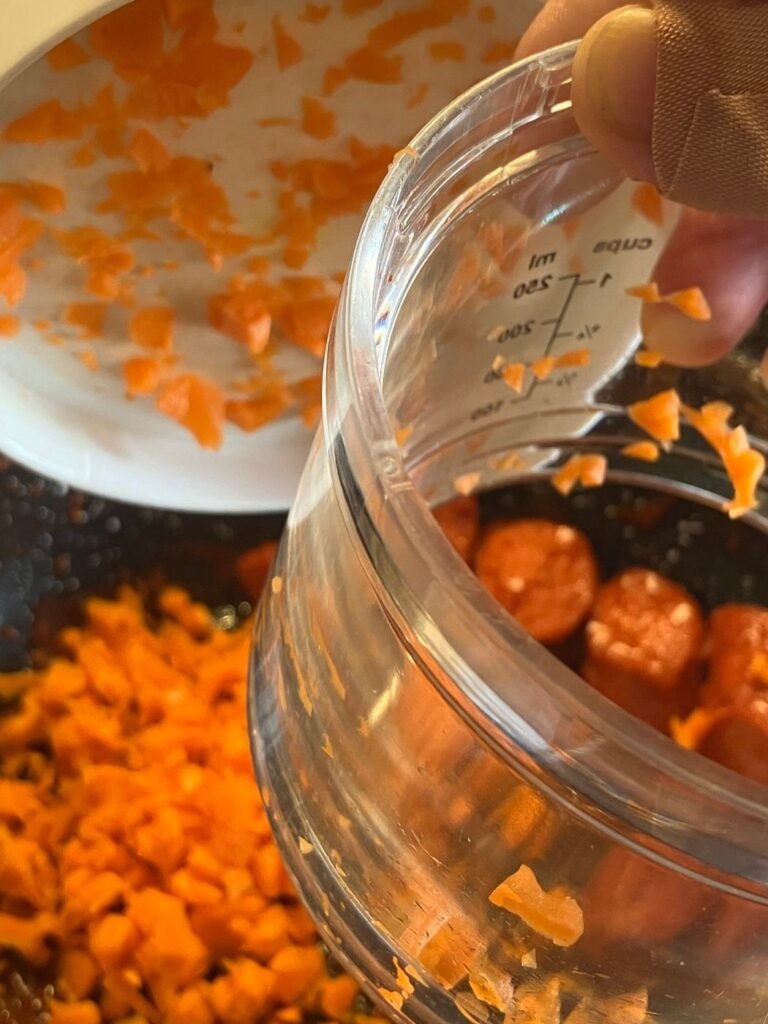
It’s great for quick, small jobs, and sometimes you need exactly the size it makes. We used it to dice carrots for fried rice, and it gave us small, fairly even pieces that were just right.


Our favorite detail: the bottom lid comes off, so you can drop the chopped vegetables straight into the pan.
What Didn’t Work as Well
- After a lot of pushing, the plastic guard around the blades slipped off.
- The bottom lid has no lock; it just sits in place. When we chopped a little longer or filled it a bit more, the bottom popped off mid-chop and food spilled out.


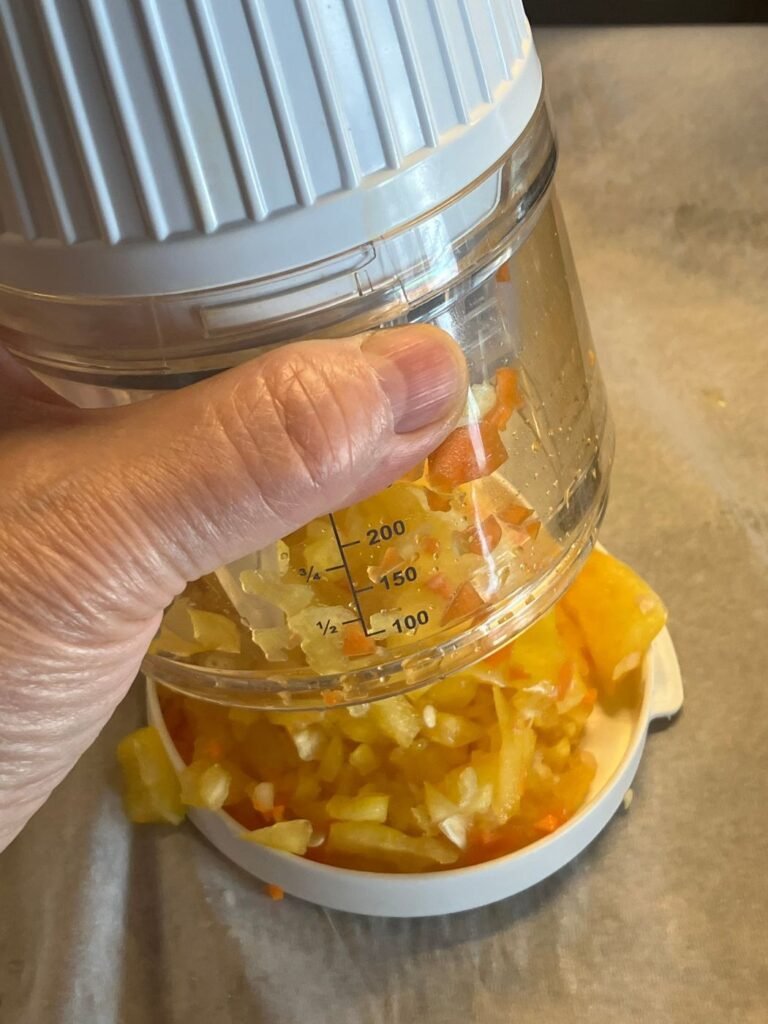
Keep batches small and this vegetable chopper does its job well. Some buyers also find the cuts uneven with onions and say putting the blade back together takes a little care.
4. BLISAF 5-in-1 Electric Vegetable Cutter: Not Our Pick
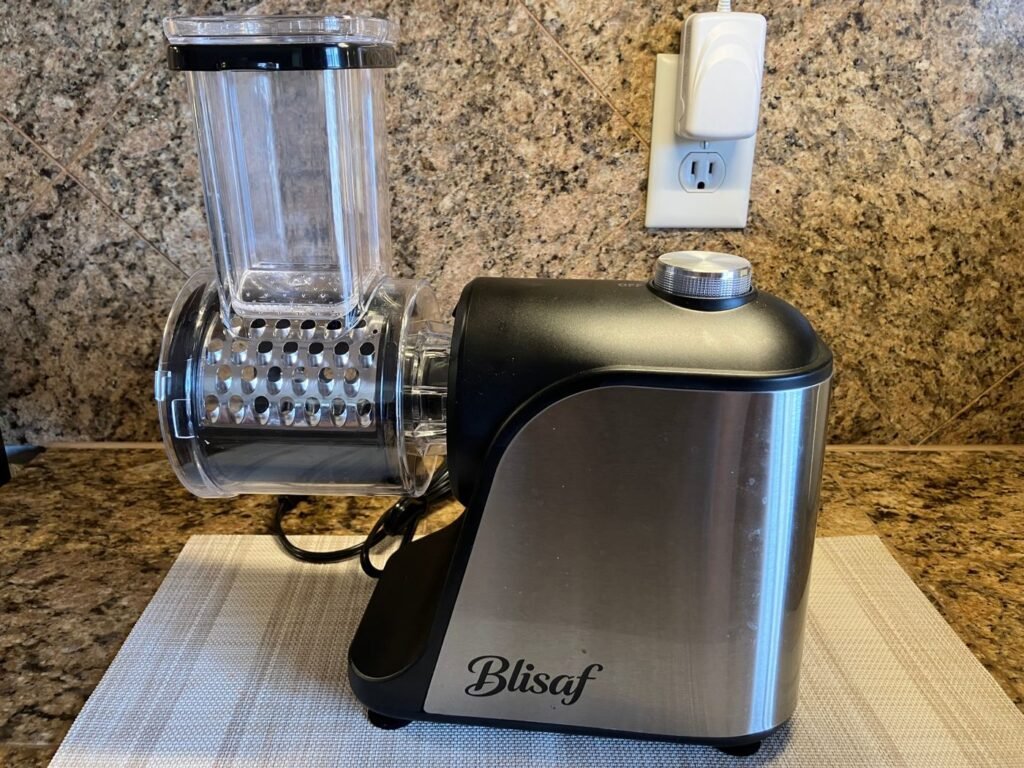
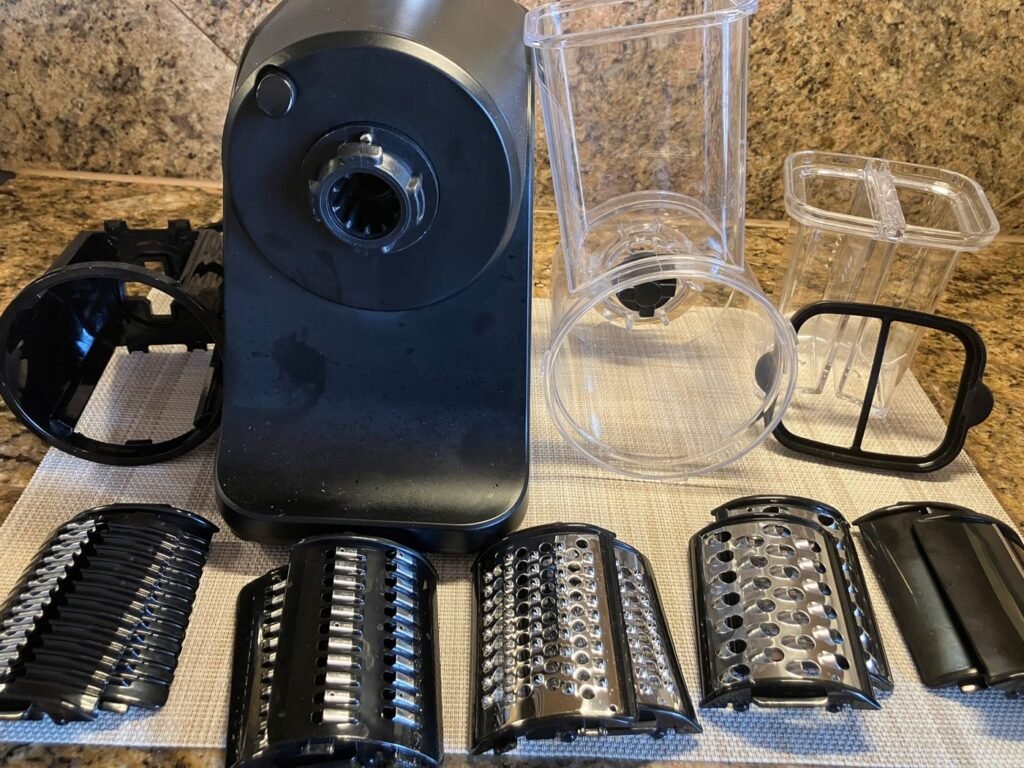
This is a drum-style slicer and shredder. You drop food into the chute, push it down, and a spinning stainless steel drum slices or shreds it. It comes with five drums: 3mm slicing, crinkle cut, 3mm shredding, cheese shredding and fine grating.
What Happened in Our Kitchen
As a vegetable chopper and shredder, this one didn’t work well for us. When we shredded carrots, most of the shreds didn’t come out of the drum. They kept spinning inside the housing, and we had to pull some out by hand. A few pieces also got wedged between the drum and the housing and weren’t cut cleanly.
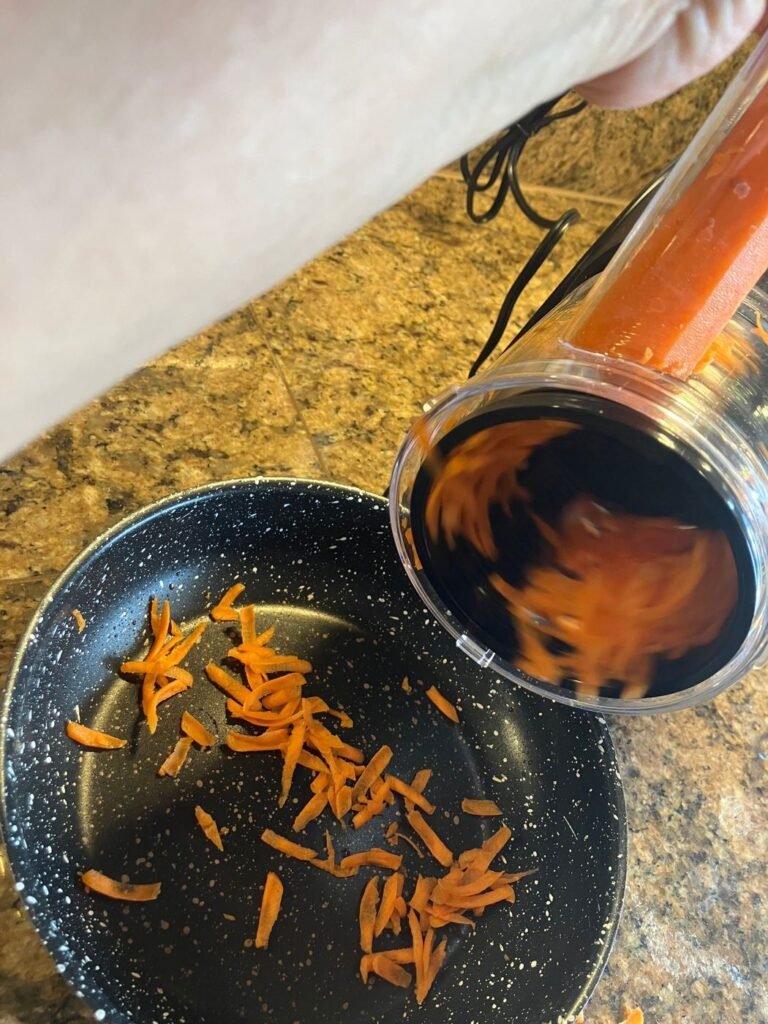

The drum housing simply twists onto the motor base. There’s no safety clip or lock, and ours never felt fully snug. It didn’t come loose while running, but it didn’t feel very secure either.


Safety Tip: Handle the Drums Carefully
The blade drums are very sharp, and the cutting edges are exposed while you fit them into the holder. We’d recommend using a dry kitchen towel or a cut-resistant glove whenever you change drums.

Some buyers are happy with it for cheese and softer vegetables, while others describe the same carrot problems we had. If it caught your eye, we’d suggest reading the most recent reviews before buying.
How to Choose the Right Vegetable Chopper
- Mostly small jobs, like a little garlic or one carrot for fried rice? A manual vegetable chopper is quick and easy to store.
- Chopping and blending for whole meals? Go with an electric food processor that has a sturdy glass bowl and a firm lid gasket.
- Check the lid. A thin gasket wears out quickly, and a lid without a lock means holding the motor down by hand.
- Two bowls only help if each bowl has its own lid. Otherwise you’ll still be washing between uses.
- For slicing and shredding machines, look at how the parts lock together and how the food actually comes out.
Need a bigger machine? Our Kenwood food processor review covers a full-size model that slices straight into containers. If your appliance came from overseas, see how to use UK appliances in the US.
Our Verdict
If we could keep only one vegetable chopper, it would be the Kitchen Elite PowerChop: sturdy, strong and simple to clean. The Hviww 2-Bowl makes sense if you really want a stainless steel bowl and don’t mind washing the lid between bowls. The JANSKA UltraChop is a handy little extra for small batches. The BLISAF 5-in-1 is the one we wouldn’t buy again.
You can see many of our finds in action on our Crazy Good Finds YouTube Shorts channel.
FAQ
Are these food processor bowls dishwasher safe?
It depends on the model. The Hviww bowls are dishwasher safe under 140°F (60°C), and the JANSKA UltraChop can go on the top rack. The Kitchen Elite PowerChop is hand-wash only. Always check the manual for your unit.
Should I get an electric or a manual vegetable chopper?
An electric food processor is better for bigger batches and for blending, like egg mixtures or sauces. A manual vegetable chopper is faster to grab, clean and store when you only need a small amount.
Why do food processors need to rest between pulses?
Small motors can overheat. The Kitchen Elite label, for example, says to run it no more than 30 seconds at a time and then rest it. Short pulses also give you more even results.